“What’s unique about IACMI is that it has five different working groups all generating ideas and the ‘what if’ factor,” says Kevin Retz of IACMI member NAWA America in Dayton, Ohio. “IACMI helps trigger discussions and facilitate collaboration across different industries, and I can talk to people in all those spaces.” Multiple uses for cutting-edge technology. Multiple paths to success.
That philosophy of exploring crosscutting technologies for materials and processes has been a driving force for R&D at the University of Dayton Research Institute (UDRI). UDRI’s Brian Rice, technical director for IACMI’s High Rate Aerostructures working group, has been part of the journey for nearly 40 years. He adds, “IACMI’s value is in bridging the innovation valley of death.”
Take vertically aligned carbon nanotube technology (VACNT) that’s been explored for about 25 years. On a molecular level, this specific alignment showed huge potential in material science across automotive, aerospace, defense needs, sporting equipment, and luxury goods. So, in 2018-2019, IACMI, UDRI, and N12 Technologies collaborated on a project to scale up VACNT in nano-enhanced consumer goods. The goal was to make bike wheels less likely to break.

In 2020, NAWAH Technologies now NAWAH, acquired N12 and set up NAWA America. They immediately joined IACMI to help grow a US footprint while developing the technology and customer base. Their NAWAHStitch product line became commercialized for use in Santa Cruz downhill mountain bikes. NAWAHStitch is a prepreg additive that makes advanced composites tougher, lighter, and more durable. A thin film containing trillions of carbon nanotubes, NAWAHStitch acts as a NANO Structural bridge within the resin layer reinforcing the weakest part of a composite laminate. These bikes were touted to improve shock impacts from rocks like nothing before and reduce wheel failures by 80%. But why stop at sporting goods? The next frontier for this crosscutting technology: aerospace.
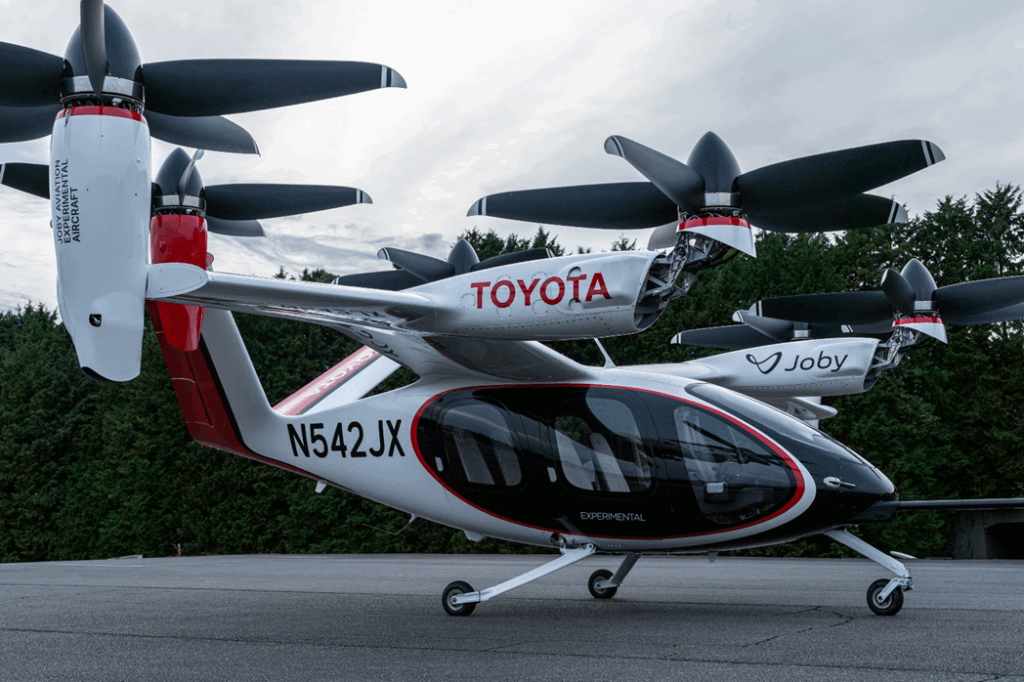
Seeking to demonstrate the benefits of NAWAHStitch for eVTOL (electric vertical take-off and landing) aircraft, IACMI, UDRI, Teijin & NAWA America turned to aerostructures in their next project with VACNT. From 2020 to 2021, their overall objective was to see if there was value in adding NAWAHStitch to rapid-cure resin systems in the expanding sector of advanced air mobility (AAM). Their research showed ways to optimize energy efficiency through faster and stronger composite parts that were lower cost to fabricate and maintain. Specifically, composites made with VACNT met real-world specifications in uniformity and endurance by demonstrating successful de-icing for eVTOL propellers with a cost savings of at least 67%. Benefits like these led scientists to explore energy storage.
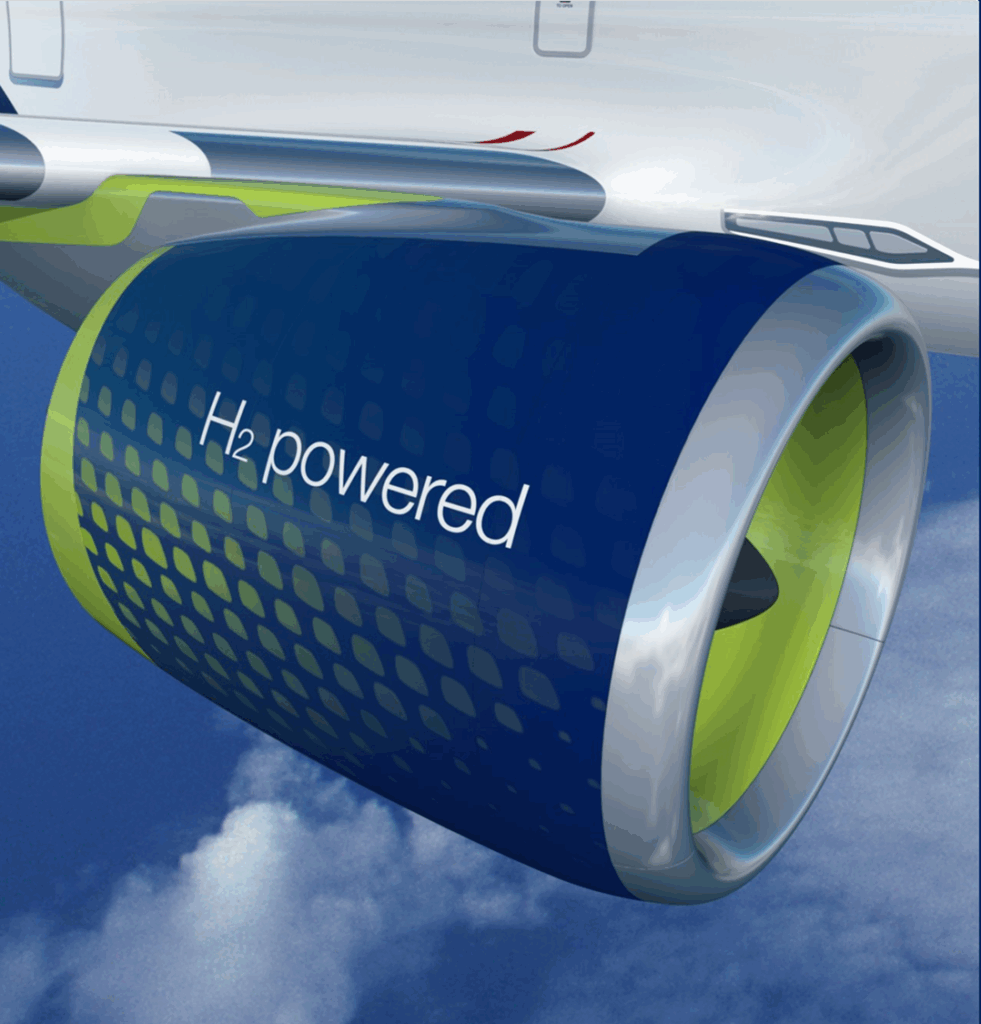
Thanks to renewed funding from the Department of Energy (DOE) in 2023, one of the first IACMI 2.0 projects is focused on VACNT for cryogenic hydrogen storage. If Airbus is going to build a hydrogen-powered commercial airplane by the late 2030s, they’ll need a technology that makes hydrogen storage safer. Since conventional composites microcrack and leak hydrogen, VACNT could be the solution they’re looking for in conditions with extreme temperatures. IACMI, UDRI, NAWA America, Airbus, and several other partners are ready to tackle this challenge in ground transportation first, with the ultimate goal of commercialization for aircraft.
Retz confirms his customers today are looking for two things: a stable supply base and cost. “IACMI has helped us understand customer pain points and the need for scale,” he says.
IACMI is here to accelerate the journey from lab to market, to turn pioneering research into real world impact, not just in the future but now.